
An outdated home doesn’t have to stay that way. With thoughtful improvements and careful planning, homeowners can transform aging spaces into attractive, comfortable, and functional environments. Whether you’re updating a recently purchased property or refreshing a house you’ve lived in for years, the right renovations can make a noticeable difference in appearance and everyday convenience.
However, successful home improvements involve more than choosing new colors or replacing old fixtures. Structural concerns, aging household systems, exterior maintenance, and inefficient features can all affect how well a property performs. Addressing these issues alongside cosmetic upgrades helps create lasting improvements rather than temporary solutions.
Before beginning renovations, it’s important to evaluate your home’s condition, establish a realistic budget, and determine which projects deserve priority. Understanding the available options can help you avoid unnecessary expenses and make informed decisions. The following ten improvements offer practical ways to modernize your property while improving comfort, functionality, and long-term value.
Clear Out Unwanted Materials Before Beginning Major Renovations
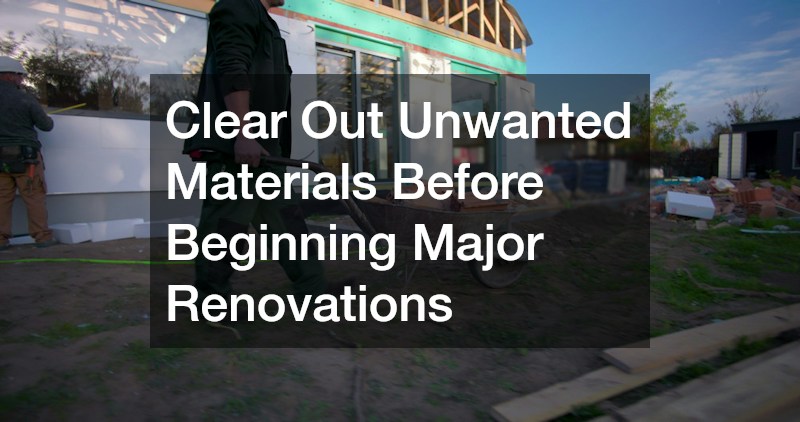
One of the first steps in transforming an outdated home is removing materials and belongings that are no longer useful. Old cabinets, damaged flooring, broken fixtures, and accumulated clutter can make renovation projects more difficult and create unnecessary safety hazards.
Clearing these items before construction begins provides contractors with better access and makes it easier to organize materials and equipment.
A local dumpster rental service can simplify debris removal during larger renovation projects by providing a designated container for unwanted construction materials.
Consider these practical cleanup strategies:
-
- Sort materials carefully: Separate items that can be donated, recycled, reused, or discarded.
-
- Estimate waste volume: Determine how much debris the renovation is likely to generate.
-
- Choose appropriate placement: Position disposal containers where they won’t block access or damage landscaping.
-
- Review disposal restrictions: Confirm which materials require specialized handling.
-
- Coordinate collection: Schedule pickups around demolition and renovation activities.
Homeowners should also protect driveways and surrounding surfaces when placing heavy containers.
Maintaining an organized work area reduces unnecessary interruptions and helps prevent accidents.
Starting with a clean, accessible property creates a more efficient environment for completing renovations and allows subsequent improvements to progress more smoothly.
Upgrade Your Garage Entrance to Improve Security and Curb Appeal
An outdated garage door can significantly affect a home’s appearance, especially when the garage occupies a large portion of the front exterior. Dents, peeling finishes, corrosion, and unreliable operation can make an otherwise attractive property appear neglected.
Modern garage doors offer numerous design options, improved operating mechanisms, and insulation features that may enhance comfort in attached garages.
A garage door replacement company can evaluate existing equipment and recommend replacement options that complement the home’s architecture.
When selecting a new garage door, consider these factors:
-
- Material durability: Compare steel, aluminum, wood, and composite options.
-
- Insulation: Evaluate insulated models for garages connected to living spaces.
-
- Design consistency: Choose colors and panel styles that complement exterior finishes.
-
- Safety features: Review automatic reversal mechanisms and modern opener technology.
-
- Maintenance requirements: Consider cleaning, painting, and long-term upkeep.
Professional installation is important because garage door springs and lifting systems operate under significant tension and can cause serious injuries when handled incorrectly.
Homeowners should also review warranty coverage and expected maintenance needs.
A properly installed garage door improves everyday convenience while creating a more polished, updated exterior appearance.
Evaluate Structural Problems Before Investing in Cosmetic Improvements
Cosmetic renovations can dramatically improve a home’s appearance, but they won’t correct underlying structural problems. Foundation movement, damaged framing, recurring moisture intrusion, and uneven floors may require attention before installing new finishes.
Ignoring these concerns can result in damaged flooring, cracked walls, and additional repair expenses after renovations are completed.
Professionals experienced in house construction can help identify potential structural concerns and determine whether specialized evaluations are necessary.
Before beginning major upgrades, consider these important steps:
-
- Inspect the foundation: Look for significant cracks, settlement, or signs of movement.
-
- Evaluate floors and walls: Investigate uneven surfaces, persistent cracks, or sticking doors.
-
- Check for moisture: Identify leaks, water stains, and damaged building materials.
-
- Review planned alterations: Determine whether removing walls could affect structural support.
-
- Confirm requirements: Obtain necessary permits and professional assessments before structural modifications.
Not every crack indicates a serious problem, but unusual movement or extensive damage deserves professional evaluation.
Structural alterations may require engineering plans and inspections to meet applicable building codes.
Improve Water Reliability by Inspecting and Updating Private Water Systems
Homes that depend on private water sources require regular attention to maintain reliable water pressure and safe drinking water. Aging pumps, pressure tanks, damaged components, and changing groundwater conditions can affect household water availability.
Because these systems operate independently of municipal water utilities, homeowners are responsible for monitoring equipment performance and arranging appropriate maintenance.
Professional well services can help evaluate system conditions, identify mechanical concerns, and recommend repairs when necessary.
Important maintenance considerations include:
-
- Water testing: Use an appropriate laboratory to check drinking water quality.
-
- Equipment inspections: Evaluate pumps, pressure tanks, and electrical components.
-
- Pressure changes: Investigate sudden decreases or inconsistent water flow.
-
- Maintenance records: Review previous inspections, repairs, and equipment replacements.
-
- Contamination prevention: Keep potential pollutants away from the water source.
Changes in water taste, odor, appearance, or pressure should be investigated rather than ignored.
Water treatment solutions should be selected based on actual testing results and identified concerns.
Homeowners planning additional bathrooms or appliances should also consider whether existing equipment can support increased demand.
Create a More Private and Functional Yard With Thoughtful Boundary Improvements
An attractive fence can make outdoor spaces feel more private, secure, and organized. Replacing damaged fencing or installing new boundaries can also improve curb appeal and create designated areas for pets, children, and outdoor activities.
However, choosing the right fencing involves more than selecting an appealing design. Property boundaries, terrain, maintenance requirements, and local regulations can influence installation decisions.
An experienced fence contractor can evaluate the property and recommend materials appropriate for the homeowner’s needs.
Before beginning installation, consider these important factors:
-
- Property boundaries: Verify lot lines before determining fence placement.
-
- Local restrictions: Review zoning rules, height limitations, and neighborhood requirements.
-
- Material selection: Compare wood, vinyl, aluminum, and other available options.
-
- Privacy needs: Determine whether solid panels or decorative designs are more appropriate.
-
- Gate access: Plan convenient entrances for people, equipment, and maintenance.
Proper post installation is essential for maintaining stability, especially in areas with challenging soil or uneven terrain.
Homeowners should also consider how fencing will coordinate with landscaping and outdoor living spaces.
Thoughtful fencing improvements can enhance security, improve privacy, and make the yard more enjoyable.
Prevent Costly Wastewater Problems With Routine System Inspections
Older homes with private wastewater systems may have hidden maintenance concerns that become expensive if ignored. Aging tanks, damaged pipes, overloaded drainage fields, and improper waste disposal can contribute to backups, unpleasant odors, and property damage.
Routine inspections and responsible maintenance help homeowners recognize problems before they become major emergencies.
Professional local septic services can evaluate system conditions, recommend maintenance, and identify repairs that may be necessary.
Important preventive steps include:
-
- Review maintenance history: Check available pumping, inspection, and repair records.
-
- Monitor warning signs: Investigate slow drains, recurring backups, and unusual odors.
-
- Protect drainage areas: Avoid parking vehicles or placing heavy structures over system components.
-
- Practice proper disposal: Keep grease, wipes, and inappropriate materials out of household drains.
-
- Manage water usage: Repair leaks and avoid unnecessarily overloading the system.
Homeowners should identify underground system locations before starting landscaping, driveway, or construction projects.
Maintenance schedules vary depending on household size, tank capacity, and system condition.
Prompt attention to warning signs can prevent more extensive damage.
Refresh Your Driveway to Improve Accessibility and Exterior Appearance

A cracked, uneven, or deteriorating driveway can make an otherwise well-maintained property appear outdated. Potholes, surface damage, and drainage problems may also create accessibility concerns and accelerate pavement deterioration.
Improving the driveway can enhance curb appeal while making everyday vehicle access safer and more convenient.
A local asphalt paving contractor can inspect existing pavement and determine whether repairs, resurfacing, or complete replacement would be appropriate.
Before beginning driveway improvements, consider these steps:
-
- Inspect surface damage: Identify cracks, potholes, and uneven areas.
-
- Evaluate drainage: Determine whether standing water contributes to deterioration.
-
- Check the foundation: Investigate unstable base materials beneath damaged pavement.
-
- Compare repair options: Consider the condition and remaining lifespan of existing surfaces.
-
- Plan maintenance: Follow recommendations for sealing, cleaning, and protecting the pavement.
Resurfacing may be suitable when the underlying pavement remains structurally sound. However, severely damaged base materials may require more extensive work.
Installation conditions, drainage, and proper compaction all influence long-term performance.
Coordinating driveway improvements with landscaping can also prevent unnecessary damage to completed work.
Modernize Interior and Exterior Spaces With a Coordinated Color Scheme
Few improvements can change a home’s appearance as quickly as fresh paint. Outdated colors, faded finishes, and damaged surfaces can make rooms feel smaller, darker, or less inviting.
Choosing a coordinated color palette can brighten interior spaces, highlight architectural details, and create a more consistent appearance throughout the property.
A professional painting company can assist with surface preparation, paint selection, and application techniques that support long-lasting results.
When planning a painting project, consider these recommendations:
-
- Evaluate lighting: Test colors under natural and artificial light.
-
- Coordinate finishes: Choose shades that complement flooring, cabinets, and furnishings.
-
- Prepare surfaces: Repair cracks, holes, peeling finishes, and damaged trim.
-
- Select appropriate products: Use suitable finishes for moisture-prone and high-traffic areas.
-
- Consider exterior durability: Choose coatings designed for local weather conditions.
Neutral colors can create a timeless foundation, while accent walls or decorative details add personality.
Proper preparation is essential because paint applied over damaged or dirty surfaces may peel or appear uneven.
Homeowners should also consider how interior and exterior colors work together.
Replace Aging Windows to Improve Comfort and Energy Efficiency
Older windows can contribute to drafts, inconsistent indoor temperatures, condensation, and unwanted outside noise. Damaged frames and deteriorating seals may also allow moisture to enter surrounding walls.
Replacing inefficient or damaged windows can improve comfort while giving a home a refreshed exterior appearance.
Professional window replacement companies can evaluate existing windows and recommend products appropriate for the home’s design and local climate.
Important considerations include:
-
- Frame condition: Inspect for rot, deterioration, and visible damage.
-
- Energy performance: Compare insulation characteristics and relevant efficiency ratings.
-
- Window materials: Evaluate vinyl, fiberglass, wood, and other frame options.
-
- Ventilation: Choose operating styles that provide convenient airflow.
-
- Installation quality: Confirm proper sealing, flashing, and weather protection.
Homeowners should compare detailed estimates and review product warranties before making a decision.
Not every older window requires replacement. Some problems can be addressed through repairs, weatherstripping, or improved sealing.
However, severely deteriorated frames or persistent moisture problems may justify replacement.
Prioritizing the most problematic windows helps manage expenses while improving comfort.
Protect Your Exterior With a Durable, Low-Maintenance Drainage System

Rainwater can cause significant property damage when it isn’t directed away from the home properly. Leaking gutters, blocked downspouts, and poor drainage may contribute to foundation moisture, soil erosion, and deteriorating exterior finishes.
Updating an aging drainage system helps protect completed renovations and maintain the property’s condition.
Seamless gutter installation provides continuous gutter sections with fewer joints along straight runs, potentially reducing common locations for leaks.
Homeowners should consider these practical improvements:
-
- Inspect existing gutters: Look for sagging sections, corrosion, leaks, and loose connections.
-
- Evaluate capacity: Choose gutter sizes appropriate for roof dimensions and rainfall.
-
- Plan downspouts: Direct runoff away from foundations and vulnerable landscaping.
-
- Select durable materials: Compare available options based on maintenance and longevity.
-
- Schedule maintenance: Remove debris and inspect drainage components regularly.
Gutter improvements should be coordinated with roof repairs, fascia replacement, and exterior painting when possible.
Proper grading remains essential because gutters cannot correct every drainage concern.
Downspout extensions or additional drainage solutions may be necessary for problem areas.
Create a Home That Looks Better and Works Better
Transforming an outdated home involves more than improving its appearance. The most successful renovations address underlying maintenance concerns while creating comfortable, attractive, and functional living spaces.
From updating exterior features to improving essential household systems, each project contributes to the property’s overall condition. Prioritizing structural repairs and necessary maintenance before cosmetic improvements helps protect renovation investments and prevent avoidable expenses.
Homeowners should establish realistic budgets, research available options, and work with qualified professionals when specialized expertise is required. Considering durability, maintenance needs, and long-term performance can also help guide purchasing decisions.


